
Understanding the Role of a Digital Imaging Technician (DIT) in Film Production


Introduction to the Digital Imaging Technician (DIT)
In the world of film production, the role of a Digital Imaging Technician (DIT) has become increasingly significant. As technology evolves, the need for skilled technicians who can manage digital workflows is essential. The DIT acts as a bridge between the camera department and post-production, ensuring that the director's vision is maintained throughout the process.
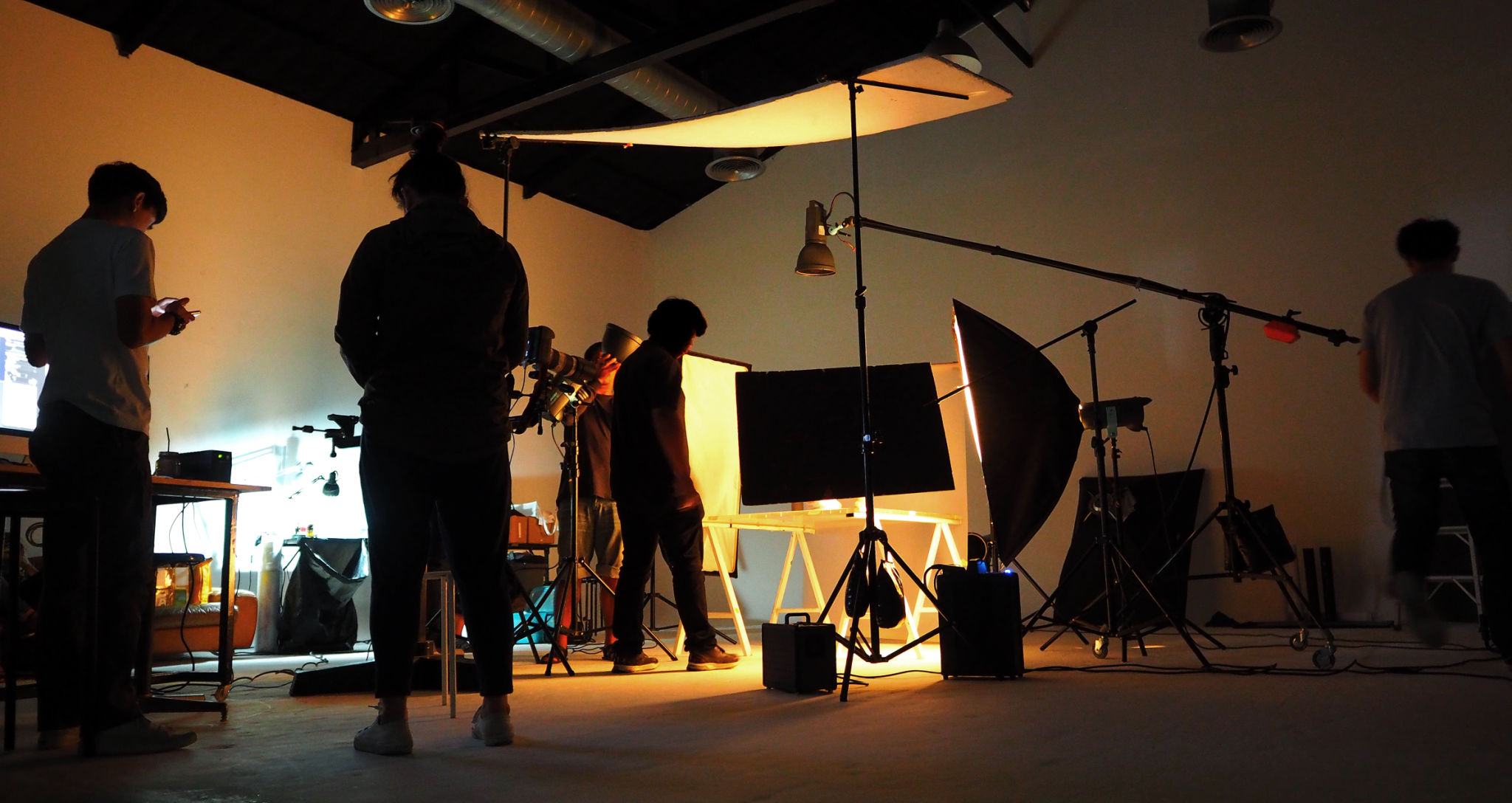
The Core Responsibilities of a DIT
A DIT is responsible for overseeing the integrity of digital images captured during filming. This involves managing data, ensuring quality control, and troubleshooting any technical issues that arise. Their work ensures that the footage is ready for post-production, maintaining consistency in color and exposure.
Some of the primary tasks a DIT handles include:
- Data management and backup
- Color correction and grading
- Quality control of image capture
- Technical support on set
Data Management and Backup
One of the critical roles of a DIT is managing the data captured during shooting. They ensure that all footage is properly backed up and organized, preventing any loss of data. This involves creating multiple copies and verifying the integrity of the files.

Color Correction and Grading
The DIT is also responsible for initial color correction and grading, which helps maintain visual consistency. By adjusting colors and exposure on set, the DIT provides a reference for the post-production team, ensuring that the final output aligns with the director's vision.
Quality Control and Troubleshooting
Quality control is another essential aspect of a DIT’s job. They monitor the technical aspects of the shoot, ensuring that the footage meets the required standards. If any issues arise, such as incorrect settings or hardware malfunctions, the DIT is on hand to troubleshoot and resolve them quickly.

Technical Support on Set
DITs provide technical support to the camera crew, helping to configure cameras and other equipment. Their expertise ensures that the equipment is set up correctly, reducing the risk of technical problems during shooting. This support is crucial in maintaining the flow of production and minimizing delays.
The Importance of a DIT in Modern Filmmaking
As film production continues to rely heavily on digital technology, the role of a DIT becomes more vital. Their ability to manage complex digital workflows and ensure high-quality footage is invaluable. With their expertise, filmmakers can focus on creativity, confident that the technical aspects are handled professionally.

Conclusion
In conclusion, the Digital Imaging Technician plays a pivotal role in film production, balancing technical expertise with artistic integrity. Their work ensures that the director's vision is accurately captured and preserved from the set to post-production. As the industry evolves, the demand for skilled DITs will undoubtedly continue to grow, making them an indispensable part of any film crew.