
The Art of Color Grading: Enhancing Storytelling in Film


In the world of filmmaking, every element plays a crucial role in bringing a story to life. Among these elements, color grading stands out as a powerful tool that enhances storytelling by influencing the viewer's emotions and perceptions.
Understanding Color Grading
Color grading is the process of altering and enhancing the color of a motion picture. It involves adjusting the color balance, saturation, and contrast to create a specific mood or atmosphere. This artistic technique can transform the visual tone of a film, making it an essential part of post-production.
By manipulating colors, filmmakers can guide the audience's emotional response and highlight important narrative elements. For example, a warm color palette can evoke feelings of nostalgia, while cooler tones might suggest tension or unease.
The Role of Color Grading in Storytelling
Color grading is more than just an aesthetic choice; it serves as a narrative device that adds depth to the story. Through careful selection of color schemes, filmmakers can underscore character development, plot progression, and thematic elements.
Creating Mood and Atmosphere
Colors have a direct impact on mood. A vibrant, high-contrast look might be perfect for an action-packed adventure, whereas a muted palette could enhance a somber drama. By setting the tone, color grading helps to immerse the audience in the story's world.

Symbolism and Themes
Colors often carry symbolic meanings. Filmmakers can use specific hues to represent themes or motifs within the film. For instance, blue might symbolize isolation, while red could signify passion or danger. This subtle use of color enriches the narrative by adding layers of meaning.
Techniques in Color Grading
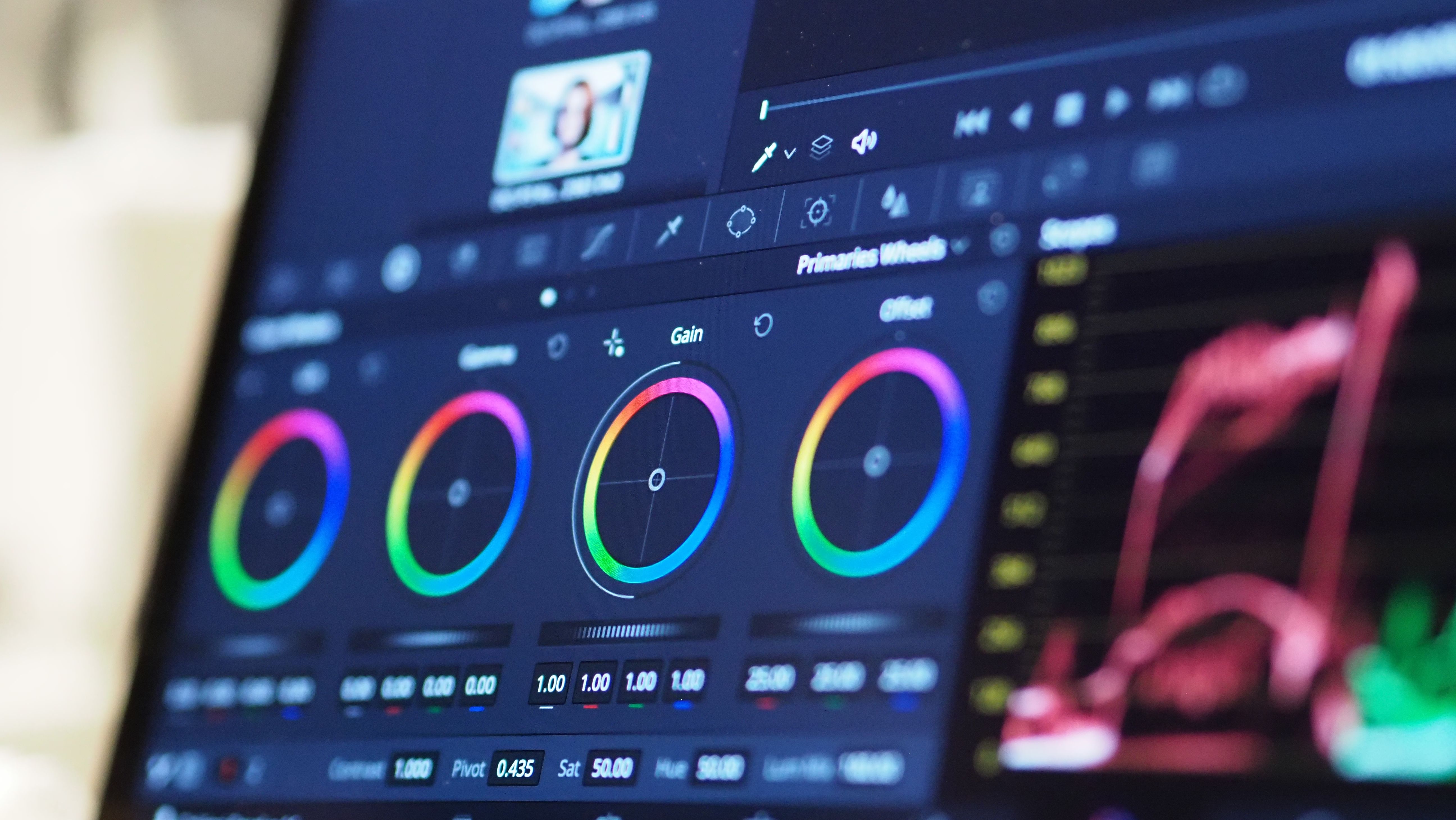
There are several techniques used in color grading, each contributing to the film's overall aesthetic. Some popular methods include:
- Primary Color Correction: Adjusting the overall balance of the image.
- Secondary Color Correction: Targeting specific colors to enhance or mute them.
- Look-up Tables (LUTs): Applying pre-designed color profiles to achieve a desired look.

The Impact of Technology on Color Grading
Advancements in technology have significantly expanded the possibilities of color grading. Modern software offers filmmakers unprecedented control over their visual storytelling. With tools like DaVinci Resolve and Adobe Premiere Pro, even independent filmmakers can achieve professional-grade results.
These technological advancements allow for more creativity and precision, enabling filmmakers to experiment with bold color choices and complex grading techniques.

Conclusion: The Power of Color
Color grading is an art form that enhances storytelling by adding emotional depth and visual cohesion to films. Whether used to create mood, symbolize themes, or simply beautify the image, color grading is an indispensable tool in a filmmaker's arsenal. Its ability to transform a film's narrative makes it a vital part of the storytelling process, capturing the audience’s imagination and leaving a lasting impression.