
The Art of Cinematic Color Grading: Enhancing Your Film's Visual Storytelling


Color grading is an essential aspect of filmmaking that can significantly influence how a story is perceived by the audience. It goes beyond merely adjusting the colors in a scene; it is about creating a visual tone that complements the narrative. In the world of cinema, color grading is truly an art form, used to evoke emotions, highlight themes, and enhance storytelling.
Understanding the Basics of Color Grading
At its core, color grading involves adjusting the colors in a film to achieve a desired look or mood. This process is typically done in post-production using specialized software. While it can be technical, its primary goal is to support the film’s narrative by creating an atmosphere that resonates with viewers. Understanding the basics of color theory, such as complementary and analogous colors, can greatly aid filmmakers in this process.
Color grading can transform a film's aesthetic. For instance, a warm color palette might be used to create a nostalgic or inviting atmosphere, while cooler tones can evoke feelings of detachment or melancholy. The choice of colors can subtly guide the audience’s emotions and perceptions throughout the story.
The Role of Color Grading in Storytelling
Color grading is not just about aesthetics; it plays a crucial role in visual storytelling. Through careful manipulation of colors, filmmakers can emphasize particular elements of the story. For example, a desaturated color palette might be employed to reflect a character's bleak and hopeless situation, while vibrant colors can signify joy and vitality.

Additionally, color grading can help establish a film's setting and time period. Sepia tones might suggest a historical narrative, while futuristic films often use cool blues and metallic shades. By aligning the color palette with the story’s context, filmmakers can create a more immersive experience for the audience.
Techniques and Tools for Cinematic Color Grading
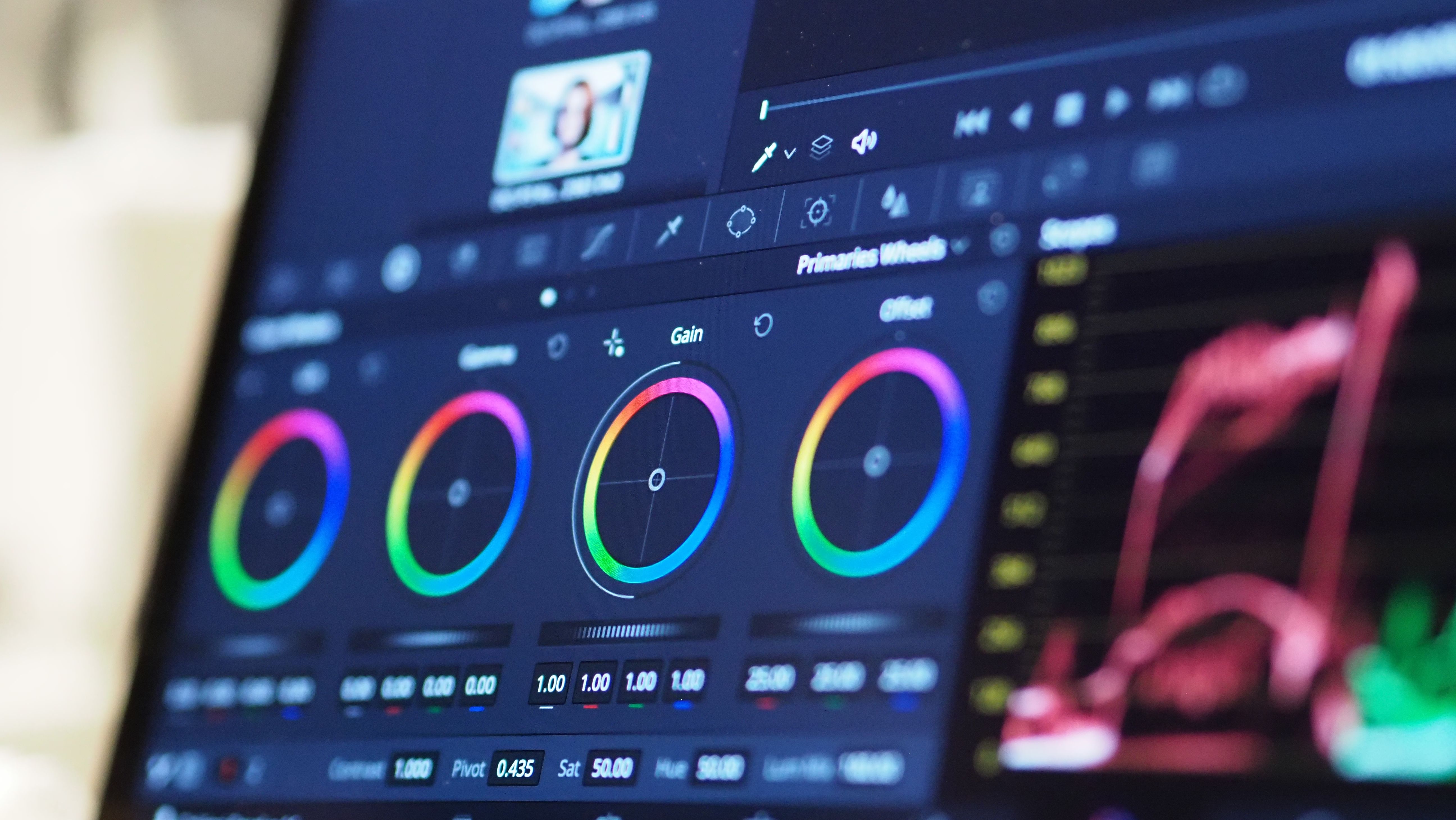
There are various techniques and tools available for color grading, ranging from basic adjustments to advanced software solutions. Popular tools like DaVinci Resolve, Adobe Premiere Pro, and Final Cut Pro offer a wide array of options for filmmakers to experiment with color grading. These tools allow for precise control over aspects such as saturation, contrast, and color balance.
One fundamental technique in color grading is the use of LUTs (Look-Up Tables). LUTs are pre-set color profiles that can be applied to a film to achieve a particular look quickly. They are a valuable resource for filmmakers seeking to maintain consistency across scenes or achieve a specific aesthetic without starting from scratch.

Challenges and Considerations in Color Grading
While color grading can greatly enhance a film, it also presents certain challenges. One of the main considerations is ensuring that the color grading aligns with the director’s vision and the story's themes. Overly dramatic color adjustments can distract from the narrative rather than support it. Therefore, it is crucial for filmmakers to strike a balance between artistic expression and narrative coherence.
Another challenge is maintaining consistency across different scenes and shots. A film is often shot over several days or even months, and varying lighting conditions can affect the color consistency. Colorists must ensure that the final product feels cohesive and that the color grading seamlessly ties the story together.
Conclusion: The Impact of Color Grading on Film
The art of cinematic color grading is an integral part of filmmaking that can significantly enhance a film's visual storytelling. By carefully selecting and manipulating colors, filmmakers can evoke emotions, highlight themes, and transport audiences into the world of the story. As technology advances, the possibilities for creative expression through color grading continue to expand, offering filmmakers endless opportunities to enhance their narratives.