
Mastering the Art of Colour Grading for Cinema

In the world of cinema, the art of colour grading is essential to crafting a film's emotional and visual impact. It involves the meticulous process of adjusting the colours in a film to enhance its mood, style, and storytelling. Mastering this art can transform an ordinary scene into something extraordinary, leaving a lasting impression on audiences.
Understanding the Basics of Colour Grading
Before diving into advanced techniques, it's crucial to understand the basics of colour grading. This process involves manipulating the colour palette of a film to achieve a specific look. It can be as simple as adjusting brightness and contrast or as complex as altering individual colours to evoke certain emotions. The primary goal is to ensure consistency and enhance the narrative.
The Importance of Colour Theory
Colour theory plays a significant role in colour grading. By understanding the emotional and psychological impact of different colours, filmmakers can create a specific atmosphere. For example, warm colours like reds and oranges often evoke feelings of warmth and passion, while cool colours like blues and greens can create a sense of calm or melancholy. Leveraging colour theory effectively can make a film's storytelling more compelling.

Tools and Software for Colour Grading
There are various tools and software available to assist filmmakers in the colour grading process. Popular options include DaVinci Resolve, Adobe Premiere Pro, and Final Cut Pro X. Each of these tools offers unique features and capabilities, allowing users to manipulate colours with precision. Knowing how to use these tools is essential for achieving professional-grade results.
Choosing the Right Tool for Your Project
When selecting a tool for colour grading, consider the specific needs of your project. DaVinci Resolve is renowned for its advanced colour correction capabilities, making it a favorite among professional colourists. Adobe Premiere Pro offers seamless integration with other Adobe products, which is beneficial for projects requiring multiple editing tools. Final Cut Pro X is known for its user-friendly interface, making it ideal for beginners.

Advanced Techniques in Colour Grading
Once you've mastered the basics, you can explore advanced colour grading techniques to elevate your film. These techniques include using LUTs (Look-Up Tables), manipulating shadows and highlights, and applying selective colour adjustments. They allow filmmakers to create a distinctive style and visual identity for their films.
The Role of LUTs in Colour Grading
LUTs are a powerful tool in colour grading, providing a quick way to apply complex colour transformations. They can be used to achieve a specific look or emulate the colour palette of popular films. By experimenting with different LUTs, filmmakers can find unique combinations that enhance their cinematic vision.
Creating a Cohesive Visual Story
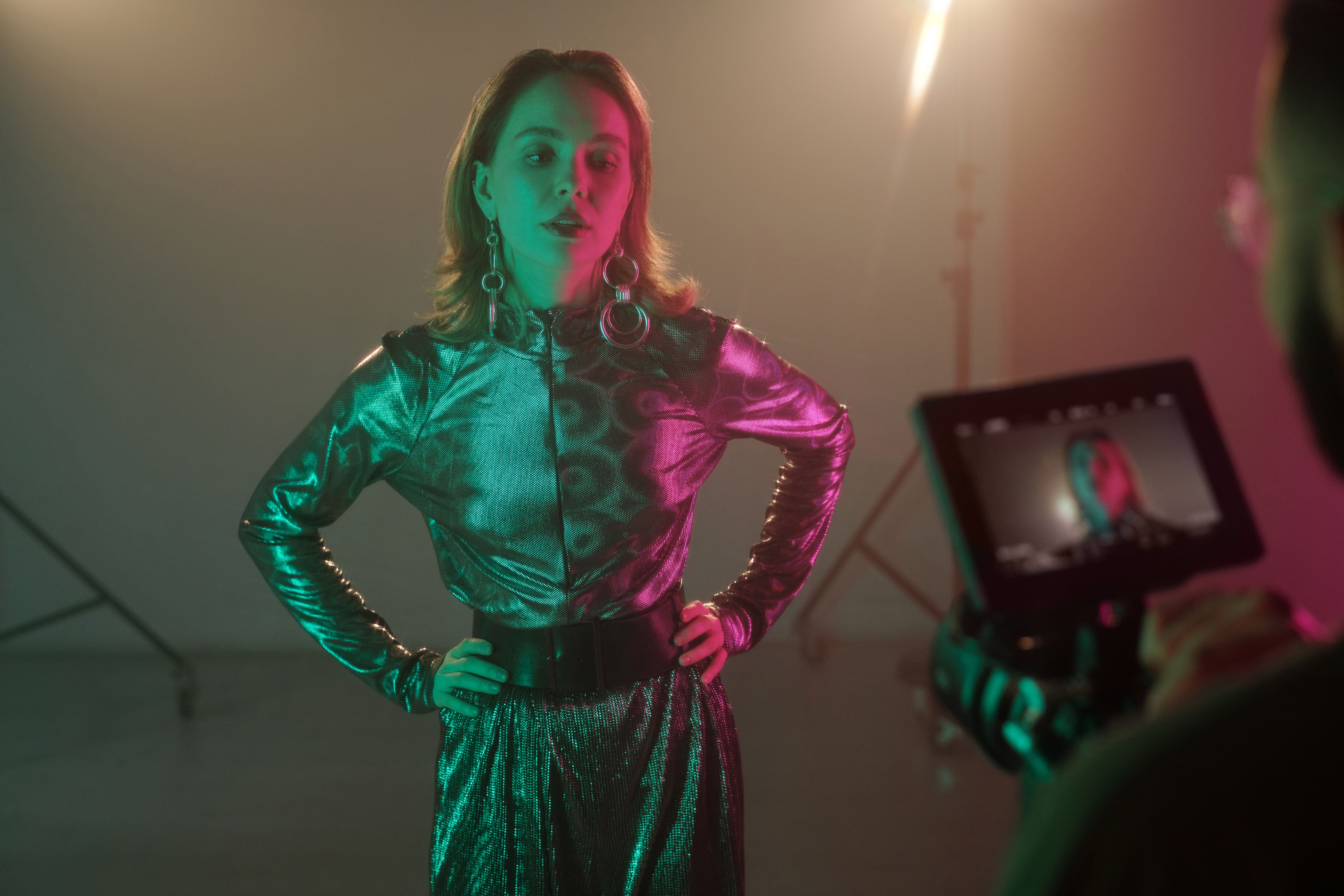
Ultimately, the goal of colour grading is to create a cohesive visual story that supports the film's narrative. By maintaining consistency in colour tones and styles, filmmakers can guide the audience's emotions and focus. This consistency helps in creating a seamless viewing experience, allowing the story to unfold naturally.
In conclusion, mastering the art of colour grading requires a blend of technical skills and creative intuition. By understanding colour theory, utilizing the right tools, and exploring advanced techniques, filmmakers can enhance their storytelling and leave a memorable impact on their audience.