
Mastering the Art of Color Grading in Fairport: A Comprehensive Guide

Color grading is an essential skill for filmmakers and photographers looking to enhance the visual aesthetics of their work. In Fairport, this art form is gaining momentum, with creatives seeking ways to elevate their projects. Understanding the nuances of color grading can transform a basic shot into a captivating visual story.
Understanding Color Grading
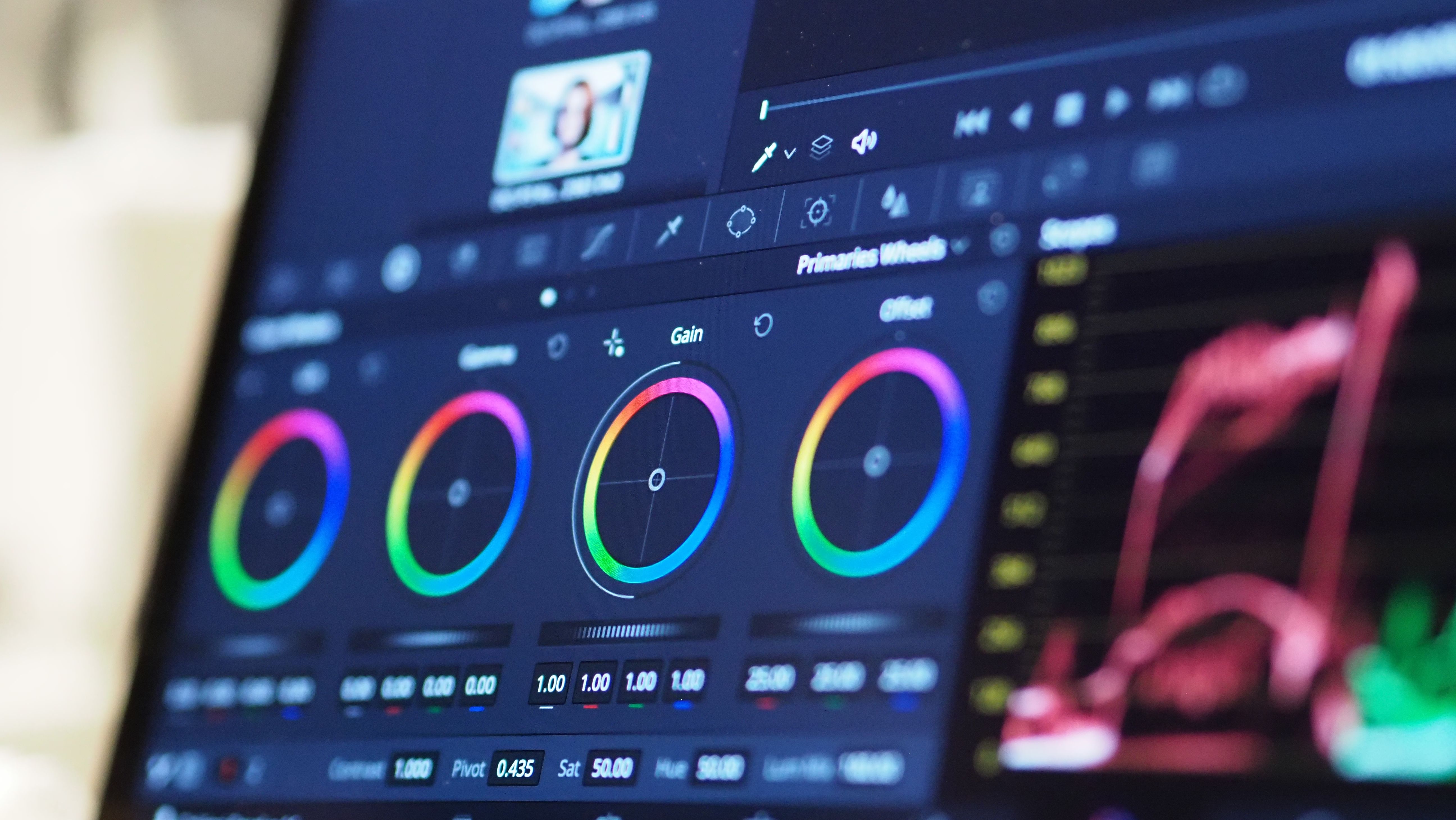
Color grading involves adjusting the colors and tones of an image or video to achieve a specific look or mood. This process is not just about correcting colors but also about crafting a visual narrative. By mastering color grading, you can ensure that your work resonates emotionally with your audience.
In Fairport, the demand for skilled colorists is on the rise. Aspiring filmmakers and photographers are increasingly recognizing the value that precise color grading adds to their projects. Whether you’re working on a short film, a music video, or a photography portfolio, understanding the basics of color theory is crucial.
The Basics of Color Theory
To excel at color grading, one must first grasp the fundamentals of color theory. This includes understanding the color wheel, complementary colors, and the psychological impact of different hues. By manipulating these elements, you can guide the viewer’s perception and evoke specific emotions.

For instance, warm colors like reds and oranges can convey passion and energy, while cool colors like blues and greens might evoke calmness and tranquility. By strategically using these colors, you can enhance the storytelling aspect of your visual content.
Tools and Software for Color Grading
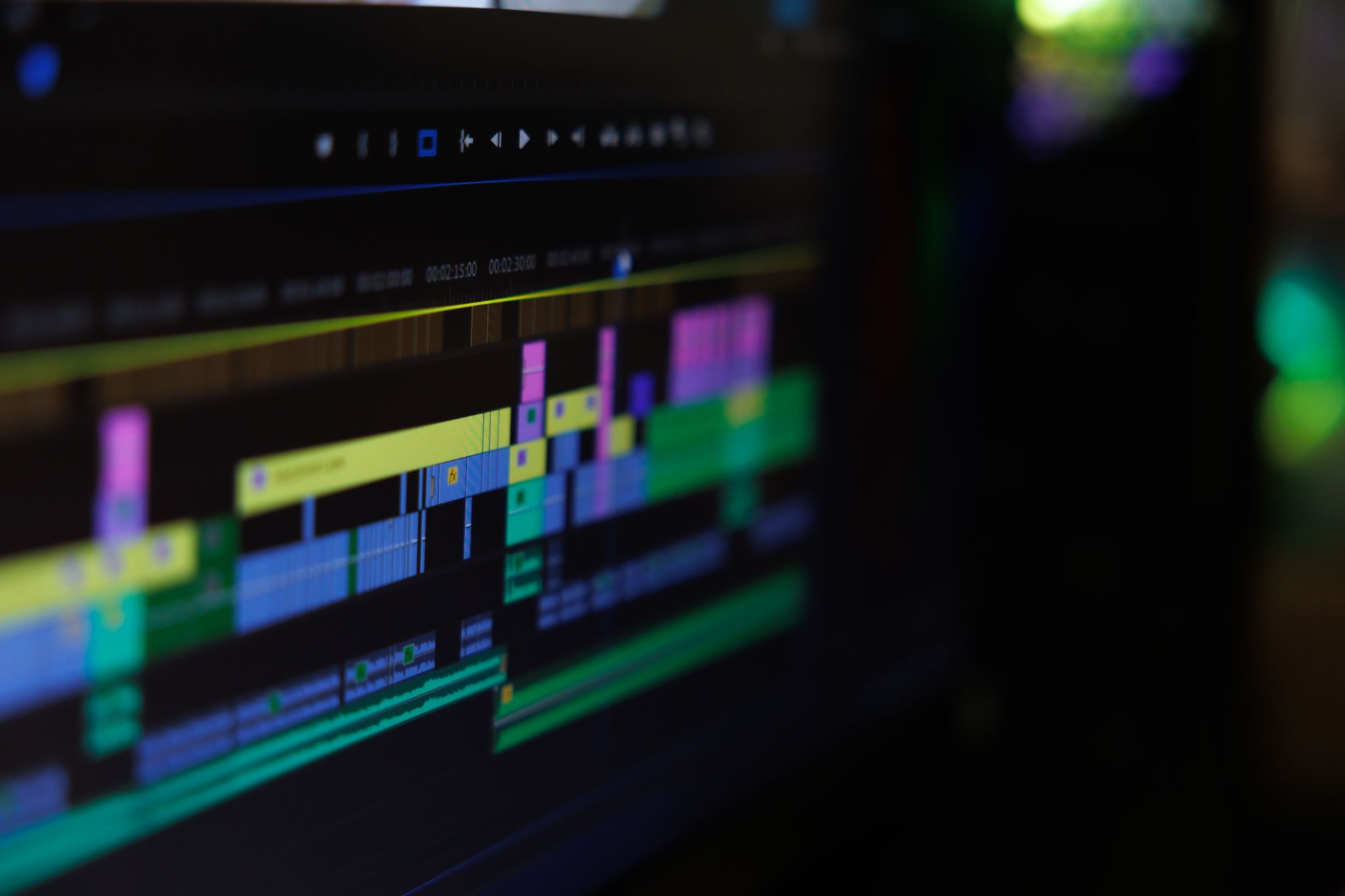
Several tools and software options are available for color grading, each offering unique features. Popular choices include DaVinci Resolve, Adobe Premiere Pro, and Final Cut Pro. These platforms provide powerful tools that allow for precise color adjustments and creative grading techniques.
- DaVinci Resolve: Known for its comprehensive grading capabilities, this tool is favored by professionals worldwide.
- Adobe Premiere Pro: Ideal for those who prefer a more integrated approach with other Adobe tools.
- Final Cut Pro: A favorite among Mac users, offering intuitive controls and advanced features.
Practical Tips for Beginners
If you’re new to color grading, start by experimenting with different presets and LUTs (Look-Up Tables). These can serve as a great foundation for building your grading skills. Additionally, consider enrolling in workshops or online courses specific to color grading in Fairport to enhance your expertise.
Networking with other creatives in Fairport can also provide valuable insights and inspiration. Attend local film festivals or photography exhibits to see how others use color grading to their advantage. This can spark new ideas and techniques for your projects.
Conclusion
Mastering the art of color grading is a journey that requires practice, patience, and creativity. By understanding color theory, utilizing the right tools, and seeking continuous learning opportunities, you can significantly enhance the visual impact of your projects. As you grow your skills, you'll find that color grading is not just a technical process but an artistic expression that can set your work apart in Fairport's creative scene.