
Mastering the Art of Color Grading: A Comprehensive Guide for Filmmakers


Color grading is an essential aspect of filmmaking that can elevate a film's visual storytelling. It involves adjusting colors to convey emotions, set the tone, and enhance the overall aesthetic. Whether you're a beginner or a seasoned professional, mastering color grading can significantly impact your work.

Understanding the Basics of Color Grading
At its core, color grading is about manipulating the color and contrast of a film to achieve a desired look. It starts with a basic understanding of color theory, which includes concepts like hue, saturation, and luminance. These elements help you create a cohesive and visually appealing palette.
Different genres and styles may require unique color grading approaches. For example, horror films often use desaturated colors to create a bleak atmosphere, while romantic comedies might employ warm, vibrant tones.
The Role of Software in Color Grading
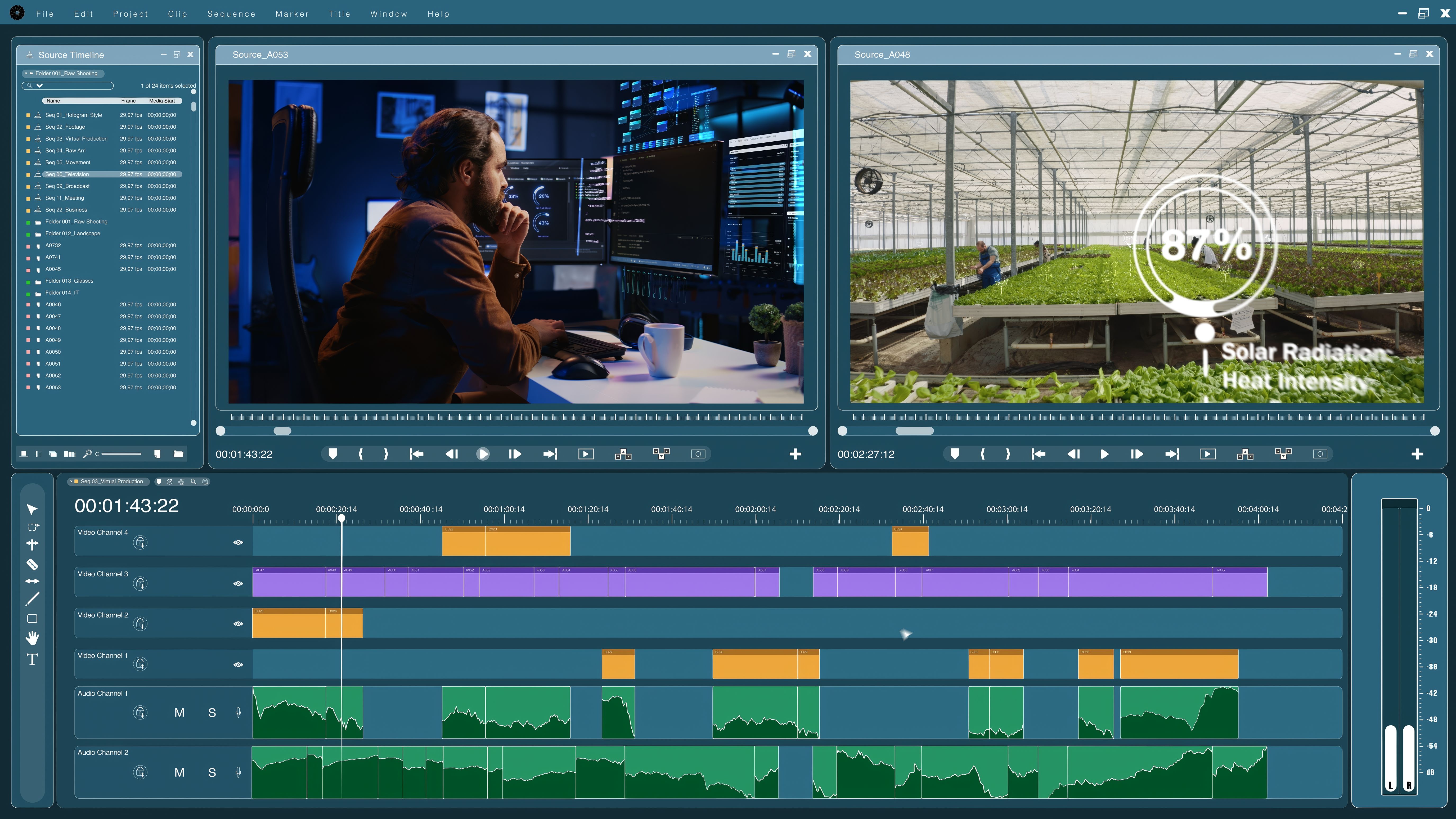
Choosing the right software is crucial for effective color grading. Popular options include DaVinci Resolve, Adobe Premiere Pro, and Final Cut Pro. Each of these tools offers a range of features, from basic adjustments to advanced color correction techniques.
Learning to utilize these software programs effectively can streamline your workflow and give you the flexibility to experiment with different looks and styles. Many of these tools also offer tutorials and community support to help you get started.
Key Techniques in Color Grading
Several techniques are fundamental to successful color grading. These include:
- Primary Color Correction: Adjusts the overall balance of colors, setting the foundation for more detailed work.
- Secondary Color Correction: Focuses on specific areas or colors within the shot, allowing for targeted adjustments.
- Curves and Levels: Fine-tunes contrast and tonal range, enhancing depth and dimension.
Understanding and mastering these techniques can help you create more polished and professional-looking films.
Developing Your Unique Style
While learning the technical aspects is important, developing a unique style is what sets your work apart. Experiment with different color palettes and techniques to find what resonates with your creative vision.
Consider the emotional response you want to evoke in your audience. Colors can convey mood and meaning, so think about how each scene's color grading aligns with the narrative.

Practical Tips for Filmmakers
Here are some practical tips to enhance your color grading skills:
- Plan Ahead: Consider color grading during pre-production to ensure consistent visual storytelling.
- Reference Images: Use reference images from films or photography to inspire and guide your grading process.
- Stay Updated: Keep up with the latest trends and techniques in color grading to continuously improve your skills.
By incorporating these tips into your workflow, you can refine your approach and produce more captivating visual stories.
Conclusion
Mastering the art of color grading takes time, practice, and a keen eye for detail. By understanding the basics, leveraging the right tools, and developing your distinctive style, you can transform your films and captivate your audience. Embrace the creative possibilities that color grading offers, and let your films shine.