
Exploring the Latest Trends in Color Grading for Digital Content

Introduction to Color Grading
In the rapidly evolving world of digital media, color grading has emerged as a crucial aspect of content creation. It enhances the visual appeal and emotional impact of videos and images. As technology advances, new trends in color grading are continually reshaping the industry.
Color grading is not just about making content look good; it's about creating a mood and telling a story. With the latest tools and techniques, creators can now push the boundaries of their visual narratives.
AI-Powered Grading Tools
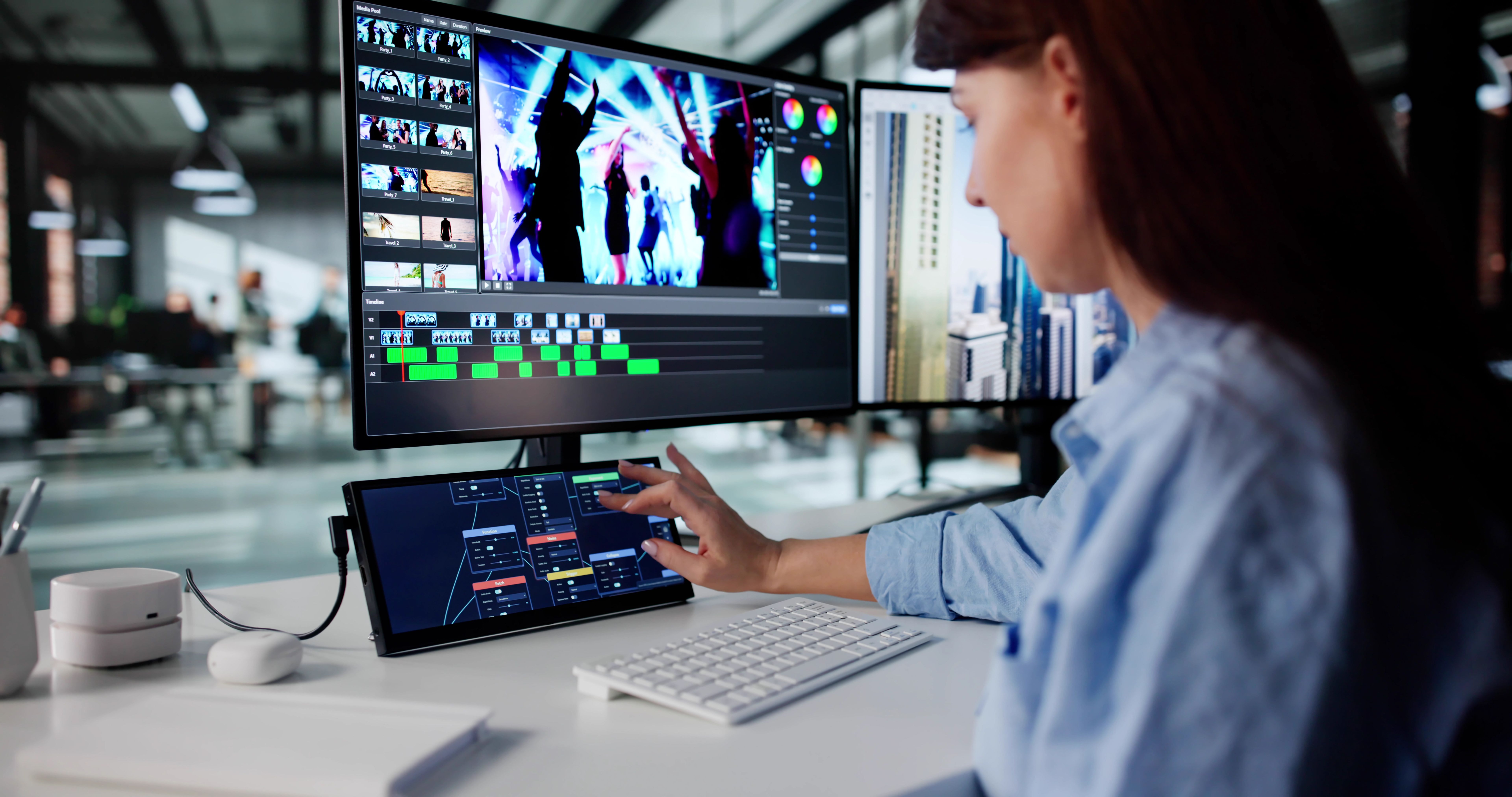
Artificial Intelligence (AI) is revolutionizing color grading by making it more accessible and efficient. AI-powered tools can automatically adjust colors based on the content's mood, significantly reducing the time and effort required to achieve professional results.
These tools use machine learning algorithms to analyze color patterns and suggest optimal color schemes. This allows even novice creators to experiment with complex color palettes and styles.
Real-Time Color Grading
Another exciting trend is the rise of real-time color grading. This technology enables creators to see the effects of their color adjustments immediately, allowing for more intuitive and dynamic editing processes. Real-time grading is particularly beneficial for live streaming and broadcast environments.

Impact on Workflow
Real-time grading streamlines the workflow, making it easier for teams to collaborate and make decisions quickly. It enhances creativity by allowing immediate feedback and iteration.
HDR and Wide Color Gamut
The adoption of High Dynamic Range (HDR) and Wide Color Gamut (WCG) is another significant trend in color grading. These technologies offer a broader range of colors and greater contrast, resulting in more vibrant and lifelike images.
HDR and WCG are becoming standard in many production environments, providing viewers with a more immersive experience. These enhancements are particularly impactful for high-end productions and platforms that support advanced visual formats.
Creative Grading Techniques
Beyond technical advancements, creative color grading techniques are also evolving. Filmmakers and content creators are experimenting with unique color palettes and styles to differentiate their work and engage audiences.
From vintage film looks to futuristic neon aesthetics, the possibilities are endless. These creative approaches allow for more personalized and expressive content.
Conclusion
The world of color grading is continuously expanding, driven by technological innovations and creative experimentation. As these trends develop, they offer new opportunities for content creators to enhance their storytelling and captivate audiences.
Staying updated with the latest trends in color grading can provide a competitive edge in the ever-changing landscape of digital content. Embracing these advancements will allow creators to produce visually stunning and emotionally resonant work.