
Common Misconceptions About Video Color Correction Debunked


Understanding Video Color Correction
Video color correction is a crucial part of the post-production process. It ensures that the colors in your video are consistent and visually appealing, enhancing the overall quality of the footage. Despite its importance, there are several misconceptions that can mislead creators.

Misconception 1: Color Correction and Color Grading Are the Same
One of the most common misconceptions is that color correction and color grading are identical. Color correction is the process of adjusting the footage to achieve a natural and realistic look, ensuring that the colors appear as they would to the human eye. In contrast, color grading involves stylizing the footage to convey a particular mood or atmosphere.
Understanding the difference between these processes can significantly impact the outcome of your video. While color correction is about technical accuracy, color grading allows for creative expression.
Misconception 2: It's Only for Professional Filmmakers
Another misconception is that video color correction is exclusively for professional filmmakers. In reality, anyone creating video content can benefit from this process. Whether you're a vlogger, a marketer, or a small business owner, color correction can enhance the quality of your videos and make them more engaging.
Misconception 3: Automatic Tools Are Sufficient
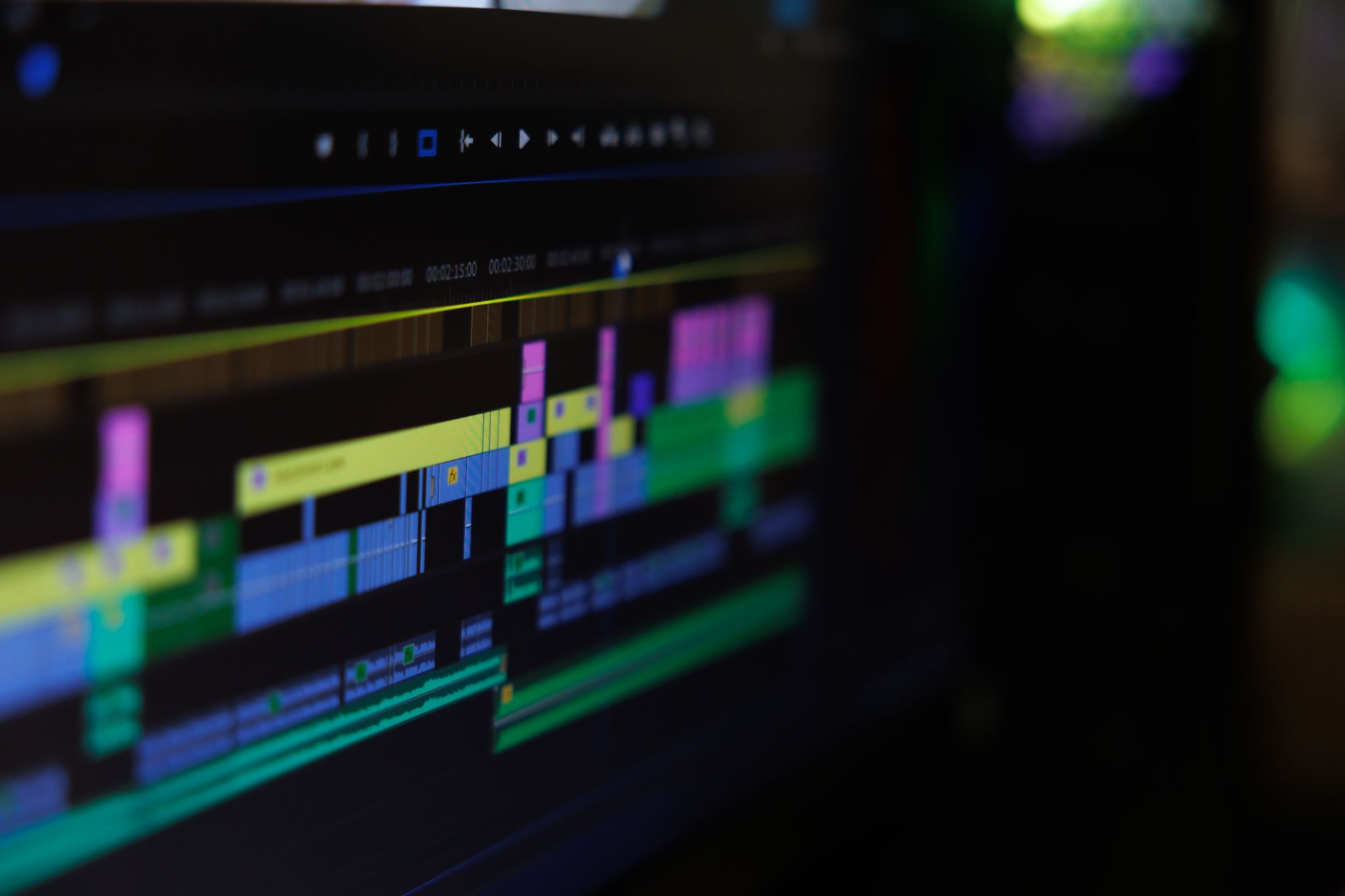
While there are automatic tools available that can assist with color correction, relying solely on them can lead to less than optimal results. These tools often lack the precision needed for nuanced adjustments. Manual color correction allows for greater control and can achieve more professional outcomes.
It’s important to familiarize yourself with the software and understand the basics of color theory to make the most out of manual adjustments.
Misconception 4: It's Too Time-Consuming
Many people assume that color correction is a time-consuming process that adds unnecessary complexity. While it does require some time and effort, the impact it has on the final product is invaluable. Investing in color correction can elevate the quality of your video, making it more appealing to viewers.
Streamlining your workflow and utilizing shortcuts within your editing software can significantly reduce the time spent on color correction without compromising quality.
Misconception 5: It's Unnecessary for Good Lighting
Some creators believe that if they have good lighting during filming, color correction is unnecessary. While good lighting is essential, it doesn’t eliminate the need for color correction. Even well-lit footage can benefit from adjustments to achieve the perfect balance and harmony of colors.
Ultimately, color correction complements good lighting and ensures that the colors in your video are consistent and vibrant.
Conclusion
Debunking these misconceptions can help you better understand the importance of video color correction. Whether you're a novice or an experienced creator, incorporating color correction into your workflow will enhance the quality and appeal of your videos. Embrace this essential post-production step and watch your content transform.