
Behind the Scenes: The Role of a Digital Imaging Technician in Film Production


Introduction to the Digital Imaging Technician
In the world of film production, there are numerous roles that contribute to bringing a director’s vision to life. One such crucial role is that of a Digital Imaging Technician (DIT). While not always in the spotlight, the DIT plays an essential part in ensuring the quality and consistency of the visual elements of a film.
The DIT acts as a bridge between the camera crew and post-production team, ensuring that the footage captured on set meets the desired look and feel. This role requires a blend of technical expertise and artistic sensitivity.

The Key Responsibilities of a DIT
Data Management and Backup
One of the primary responsibilities of a DIT is to manage and back up the vast amount of data generated during a shoot. They ensure that all footage is securely stored and organized, minimizing the risk of data loss. This involves creating multiple copies of the footage and implementing a structured filing system.
Color Grading and Correction
Another crucial task is performing initial color grading on set. By adjusting the color and tone of the footage, the DIT ensures that the director’s visual style is maintained throughout the production. This preliminary grading also provides the post-production team with a strong foundation to build upon.
Collaboration with the Creative Team
Working with Cinematographers
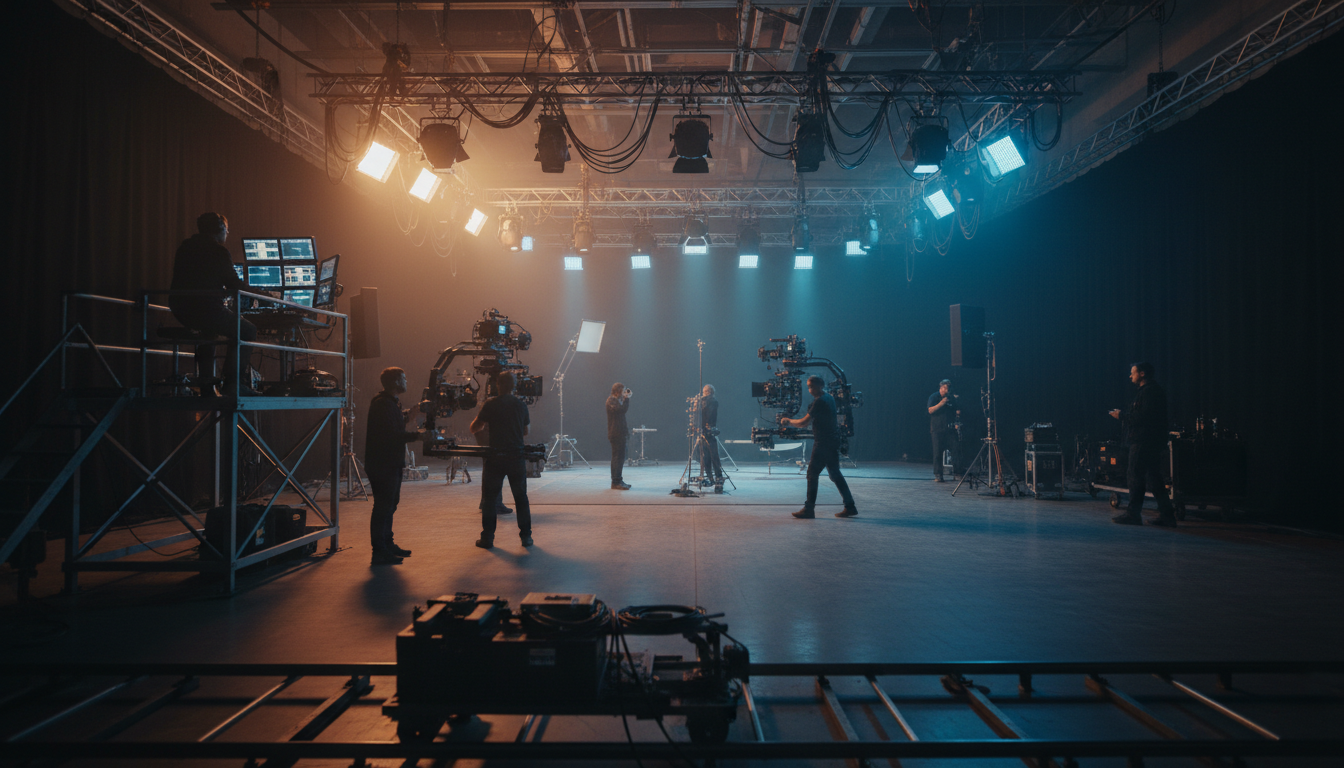
The DIT collaborates closely with the cinematographer to ensure that the footage aligns with the creative vision. By providing real-time feedback and adjustments, the DIT helps the cinematographer make informed decisions about lighting, exposure, and framing.
Supporting the Director’s Vision
In addition to working with the cinematographer, the DIT also supports the director by ensuring that the captured footage reflects their intended aesthetic. This involves constant communication and a deep understanding of the project’s visual goals.
The Technical Expertise of a DIT
Understanding Camera Technology
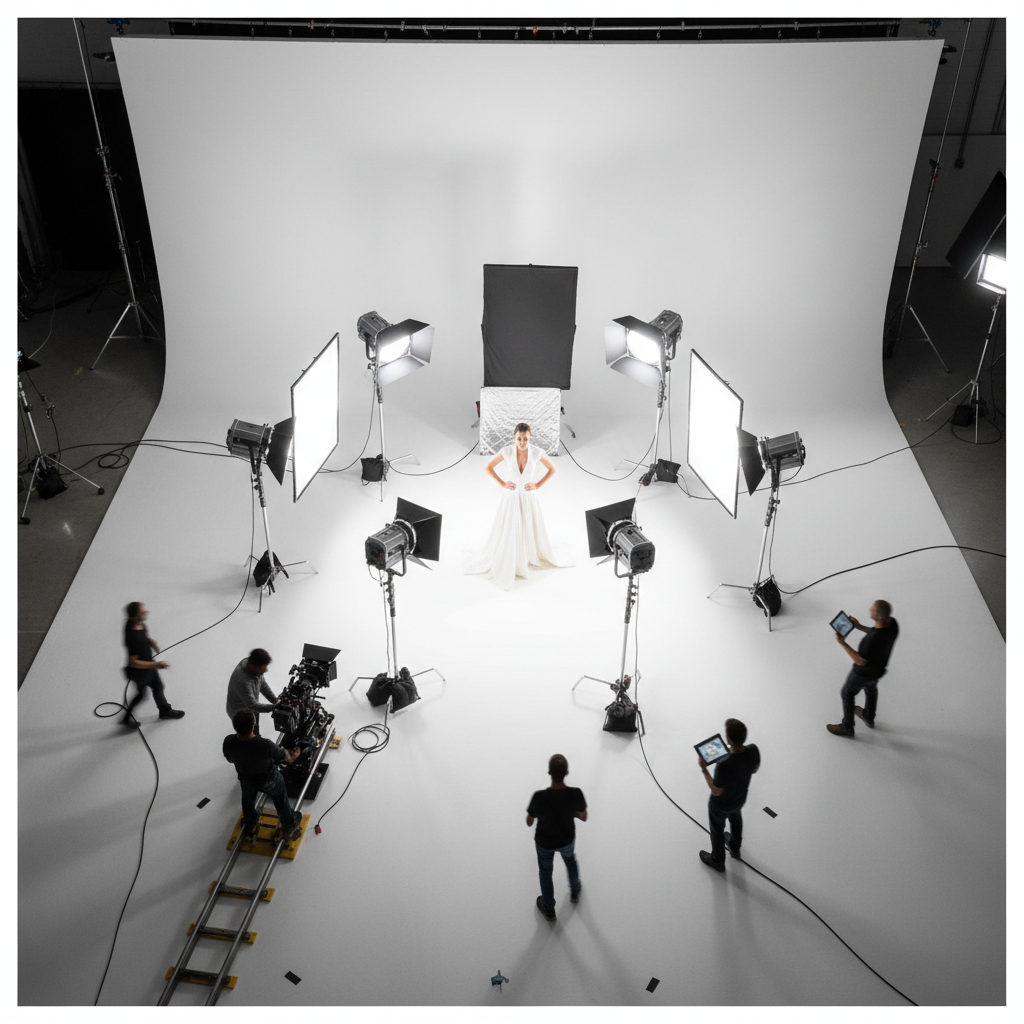
A DIT must possess a comprehensive understanding of various camera technologies and formats. This knowledge allows them to optimize camera settings and troubleshoot any technical issues that may arise during a shoot.
Utilizing Advanced Software
Proficiency in advanced software tools is another essential skill for a DIT. These tools are used for tasks such as color grading, data management, and quality control, enabling the DIT to deliver high-quality results efficiently.
Conclusion
The role of a Digital Imaging Technician is indispensable in modern film production. By combining technical skills with creative insight, the DIT ensures that every frame of a film is captured and preserved with the highest quality. As technology continues to evolve, the importance and complexity of this role are only expected to grow, making the DIT a vital asset to any film crew.